
Did you know 55% of clients leave their massage therapist due to too much pressure? This shows how important it is to find the right balance in deep tissue massage. As a massage therapist, I’ve learned that adjusting the pressure is key for each person.
Deep tissue massage works on the deeper muscle and tissue layers. It helps with muscle issues, strains, and sports injuries. The aim is to ease pain, not to make it worse.

Many say a deep tissue massage feels like a “good hurt”. This kind of pain helps manage chronic pain and boosts mobility. But, remember, everyone feels pain differently. What’s right for one might be too much for another.
Key Takeaways
- Deep tissue massage targets deep muscle layers and connective tissue
- 55% of clients leave due to excessive pressure
- Pain should be manageable and lead to relief
- Communication with your therapist is key
- Benefits include reduced chronic pain and improved mobility
- Everyone’s pain threshold is different
Understanding Deep Tissue Massage Techniques
Deep tissue massage techniques are powerful tools for addressing muscle pain and stiffness. This special form of bodywork targets deeper layers of muscle and fascia. It offers profound therapeutic benefits.
How Deep Tissue Differs from Swedish Massage
In a Swedish massage comparison, the differences are clear. Swedish massage aims for relaxation, while deep tissue massage treats specific muscular issues. Deep tissue uses firmer pressure and slower strokes to reach deeper muscle layers.
| Aspect | Deep Tissue Massage | Swedish Massage |
| Primary Goal | Treat muscle pain and stiffness | Relaxation |
| Pressure | Firm | Gentle to moderate |
| Strokes | Slow, deep | Long, flowing |
| Target Areas | Deep muscle layers and fascia | Surface muscles |
The Science Behind Deep Pressure Application
Deep pressure application works by breaking up adhesions and scar tissue. This process improves circulation, reduces inflammation, and promotes healing. A 2014 study found that deep tissue massage effectively reduced pain in individuals with chronic low back pain. It was as effective as some anti-inflammatory drugs.

Massage Therapist’s Role in Pressure Control
Massage therapist expertise is key in deep tissue work. They adapt techniques to individual needs, ensuring client comfort. Therapists warm up muscles with lighter touch before applying deeper pressure.
They use hands, arms, or elbows to release contracted muscles and tissues. This careful pressure control maximises the benefits of deep tissue massage while minimising discomfort.
Is a Deep Tissue Massage Painful
Deep tissue massage might feel uncomfortable, but it shouldn’t hurt too much. It’s important to know what sensations you might feel and how to handle them. This will help you enjoy your massage more.
Types of Pain During Massage Treatment
When you get a deep tissue massage, you might feel different things:
- Therapeutic discomfort: A dull ache or “good pain” that shows tension is being released
- Excessive pressure: Feeling uncomfortable without any benefits
- Potentially harmful pain: Sharp or burning pain that needs attention right away
Normal Discomfort vs Warning Signs
It’s vital to know the difference between normal pain and warning signs. A bit of ache or pressure is okay, but sharp pain, burning, or discomfort in sensitive spots are not. If you feel these, tell your therapist right away.
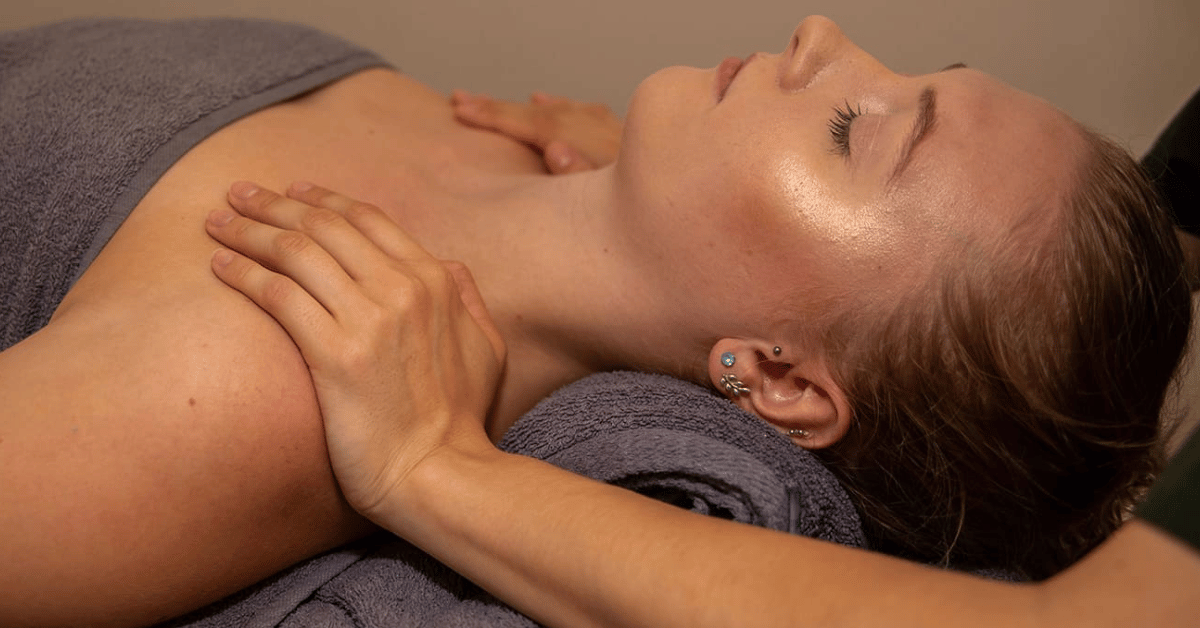
Managing Pressure Intensity and Communication
Talking openly with your therapist is key to handling discomfort during a massage. If the pressure is too much, let them know. They should adjust their method based on what you say, making sure you’re comfortable and safe.
| Aspect | Recommendation |
| Pre-massage discussion | Have a detailed chat with your therapist about what you like and what worries you |
| Techniques used | They might use fingertips, elbows, knuckles, and hands |
| Hydration | Drink water before and after to help with blood flow |
| Post-massage care | Use ice to reduce swelling and pain in the treated areas |
While some pain during a massage is normal, too much is not okay. Always talk openly with your therapist to make sure you have a good and enjoyable deep tissue massage.
Benefits and Therapeutic Effects of Deep Tissue Work
Deep tissue massage offers many benefits, making it a top choice for those with chronic pain and seeking wellness. It focuses on realigning deeper muscle and tissue layers. This targets areas like the neck, shoulders, back, and hips for specific treatment.
Relief from Chronic Pain and Muscle Tension
Deep tissue massage is great for chronic pain and muscle tension. It uses deep, slow strokes with strong pressure. This helps:
- Reduce inflammation and symptoms
- Break up scar tissue, improving mobility and reducing pain
- Increase joint flexibility and range of motion
- Improve posture by addressing tension and muscle imbalances
Sports Injury Recovery and Prevention
For athletes and fitness lovers, deep tissue massage is key for injury recovery and prevention. It can:
- Aid in recovery after injuries or surgeries by reducing inflammation and swelling
- Improve circulation by increasing blood flow to affected areas
- Help prevent future injuries by addressing muscle imbalances and tension
Stress Reduction and Mental Wellbeing
Deep tissue massage also boosts mental wellbeing and stress reduction. It can:
- Lower blood pressure
- Boost the release of feel-good hormones like dopamine, serotonin, and endorphins
- Aid in better sleep due to pain relief and increased serotonin levels
- Reduce headaches by alleviating tension in the head, neck, and shoulders
| Benefit | Description |
| Chronic Pain Relief | Targets deeper layers of muscle and connective tissue |
| Sports Injury Recovery | Reduces inflammation, improves circulation and flexibility |
| Stress Reduction | Lowers blood pressure, boosts mood-enhancing hormones |
| Improved Sleep | Promotes relaxation and increases serotonin levels |
To get the most benefits, aim for deep tissue massage once a week to every two weeks. Sessions usually last 60 to 90 minutes. This gives enough time for thorough treatment and lasting results.
Essential Aftercare and Recovery Tips
After a deep tissue massage, it’s important to take care of yourself. You might feel sore, but this usually gets better within 48 hours. To help your body heal, drink lots of water, move gently, and take care of yourself.
Drinking water is key for muscle recovery and getting rid of toxins. Try herbal teas like ginger or chamomile instead of caffeine or alcohol. Using ice or heat packs can help with swelling and muscle spasms. Light stretching and gentle exercises keep your muscles flexible and prevent stiffness.
Ready to feel your best? Book a massage, reflexology, or nutritional therapy session today and start your journey to wellness! Contact Alex Rains or Call 07974 858038 to schedule an appointment.
FAQ
Is a deep tissue massage painful?
Deep tissue massage might feel a bit uncomfortable, but it shouldn’t hurt too much. You might feel a dull ache that feels helpful. But if you feel sharp or burning, tell your therapist right away to adjust the pressure.
How does deep tissue massage differ from Swedish massage?
Deep tissue massage uses firmer pressure and slower strokes to target deeper muscle layers. Swedish massage, on the other hand, is for relaxation with lighter pressure and smooth strokes.
What are the benefits of deep tissue massage?
Deep tissue massage can help with chronic pain and muscle tension. It also aids in sports injury recovery and improves range of motion. It can reduce stress and even help with blood pressure and sleep.
How should I care for myself after a deep tissue massage?
After a massage, drink plenty of water to flush out toxins. Use heat or cold therapy if sore. Do gentle stretching or light exercise. If you feel unusual pain, talk to your therapist or doctor. Some soreness is normal for a few days.
How often should I get a deep tissue massage?
How often you need a massage depends on your situation. For ongoing pain, regular massages might be best. Talk to your therapist or doctor to find the right schedule for you.
Are there any contraindications for deep tissue massage?
Yes, some people should avoid deep tissue massage or check with their doctor first. This includes pregnant women, people with certain health issues, and those with recent injuries or surgeries. Always tell your therapist about any health concerns before the massage.
How does deep tissue massage help athletes?
Deep tissue massage helps athletes recover from injuries by improving circulation and reducing swelling. It also helps prevent injuries by fixing muscle imbalances. This leads to better performance and faster recovery.
Can deep tissue massage help with chronic pain?
Yes, deep tissue massage is great for managing chronic pain. It’s been shown to be as effective as some medications for lower back pain. It also helps with fibromyalgia, plantar fasciitis, and headaches by easing muscle tension and promoting relaxation.